
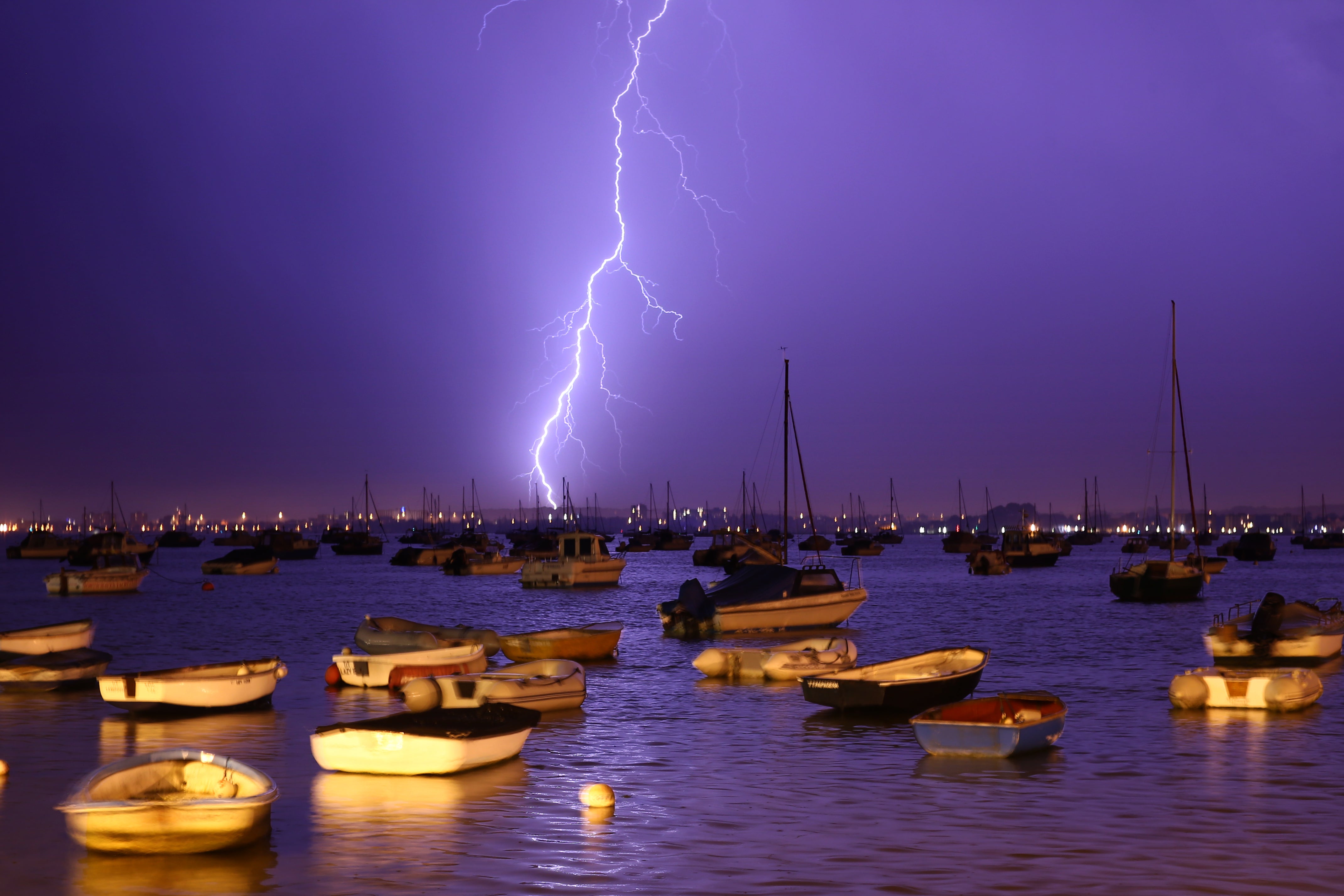
Storms are unpredictable, powerful forces of nature that can leave devastating impacts on homes and communities. From fierce winds to torrential rains and lightning strikes, severe weather events can damage property, endanger lives, and disrupt daily life. But while you can’t control the weather, you can control how prepared you are. Taking proactive steps now can save you thousands in repairs and, more importantly, ensure the safety of your loved ones. Here’s how to be ready before the next storm strikes.
1. Inspect and Fortify Your Home’s Exterior
Your home’s structure is your first and most important defense against severe weather. Begin by closely examining your roof for any signs of damage—look for missing shingles, cracks, or general wear and tear. Even minor issues can quickly escalate during a storm. If you live in areas like Sandy, where weather can be particularly harsh, consider investing in a full roof replacement to ensure long-term protection. A well-maintained, storm-resistant roof can prevent costly damage down the line.
Next, turn your attention to gutters and downspouts. These should be clean, securely attached, and able to channel water safely away from your foundation. Installing gutter guards is a smart way to reduce clogs and overflow.
Windows and doors are also vulnerable points during a storm. Reinforce them with storm shutters or upgrade to impact-resistant glass if you’re in a high-risk zone. And don’t overlook your garage door—check for weaknesses, as strong winds can force it in and cause significant structural damage.
2. Secure Outdoor Items
What’s outside your house can become a serious hazard during a storm. Lawn furniture, grills, planters, and garden tools can turn into dangerous projectiles when strong winds hit. When a storm is forecasted, bring these items indoors or secure them tightly.
Trees and large shrubs should also be maintained regularly. Trim branches that hang close to your home or power lines. Dead or diseased limbs are especially likely to break during high winds and cause damage.
3. Create a Family Emergency Plan
Having a plan in place can significantly reduce panic during a storm. Discuss and document what your family should do if severe weather hits, including where to take shelter in your home. Typically, the safest place is a small, windowless interior room on the lowest level—like a bathroom or basement.
Assign responsibilities to each family member. One person might be in charge of grabbing the emergency kit, while another ensures pets are safe. Establish a communication plan in case you get separated or lose phone service. Choose a relative or friend outside the area as a central contact point.
4. Assemble an Emergency Kit
Every home should have a basic emergency kit that can support your family for at least 72 hours. Key items include:
- Flashlights and extra batteries
- Bottled water (one gallon per person per day)
- Non-perishable food and a manual can opener
- First-aid supplies
- Medications and essential hygiene items
- Battery-powered or hand-crank radio
- Cell phone chargers or portable power banks
- Copies of important documents in a waterproof container
If you have young children, seniors, or pets, adjust the kit accordingly to include their specific needs.
5. Review Your Insurance Coverage
Before the storm season begins, it’s smart to review your homeowners or renters insurance policy. Make sure it covers storm-related damage such as wind, hail, or flooding. Standard policies often don’t cover flood damage, so you may need to purchase separate flood insurance.
Also, create a home inventory list that includes photographs, receipts, and serial numbers for valuable items. This documentation will be invaluable if you ever need to file a claim.
6. Stay Informed
Technology can be your best friend in a weather emergency. Sign up for local weather alerts and download reliable weather apps. Pay attention to watches and warnings from the National Weather Service (NWS), and take them seriously.
If you’re told to evacuate, don’t wait—leave promptly and follow official instructions. Have a “go bag” ready with essentials in case you need to leave in a hurry.
7. After the Storm: Be Cautious and Proactive
Once the storm passes, safety remains a priority. Watch for downed power lines, gas leaks, or unstable structures. Avoid walking or driving through floodwaters, as they may hide debris, potholes, or open manholes.
Document any damage to your home with photos and video before beginning cleanup or repairs. Contact your insurance company as soon as possible to begin the claims process.
Final Thoughts
Storms can strike with little warning, but preparation makes all the difference. By reinforcing your home, creating a plan, and staying informed, you can protect your property and ensure your family’s safety. Don’t wait until the winds pick up and the skies darken. When storms strike, be ready—not sorry.
