
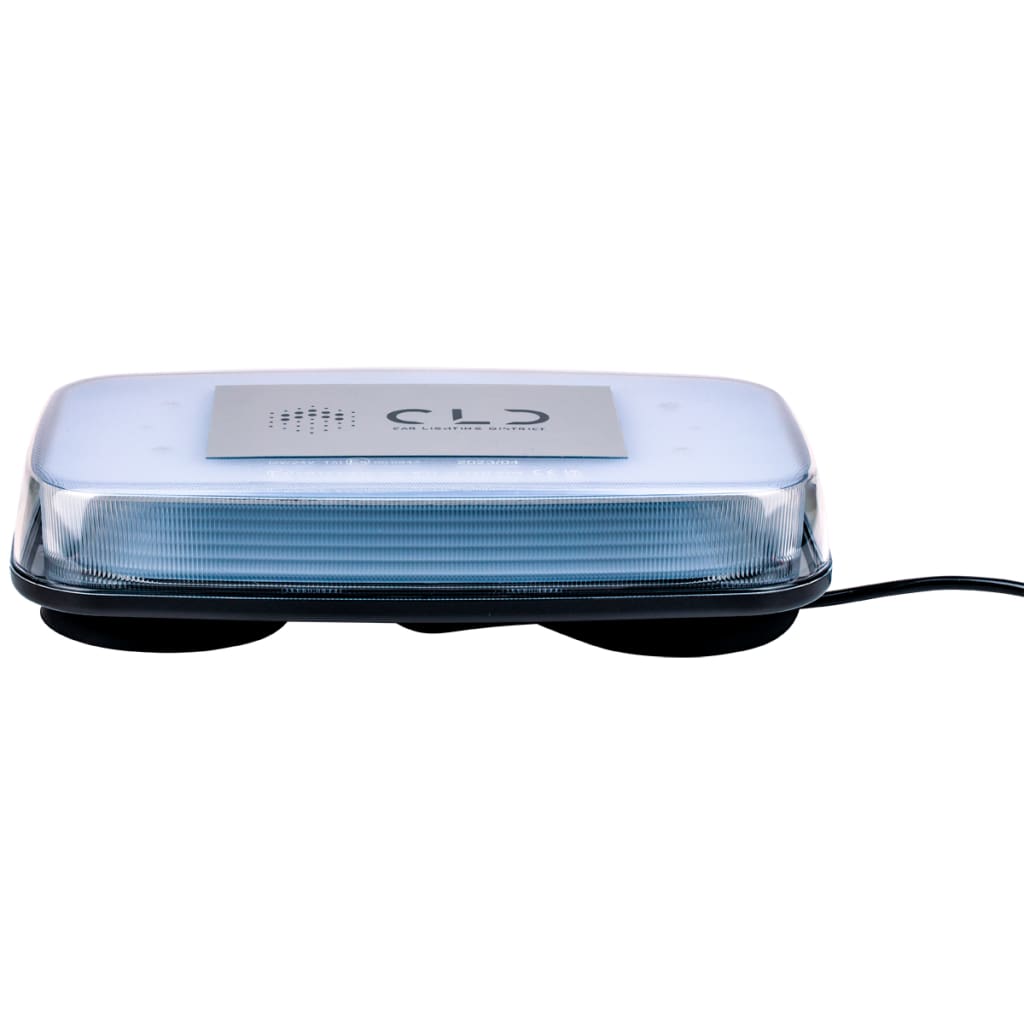
Emergency lighting is vital for public safety, guiding people during power outages and ensuring operations continue when normal lighting fails. This article covers innovations like energy-efficient designs and smart systems that adapt to changing environments. Whether you’re a facility manager or tech enthusiast, learn how technology is improving safety.
Why Emergency Lighting Matters
Imagine a sudden power outage in a multi-story building. Panic looms, and navigating unlit pathways becomes a challenge. Here’s where emergency lighting systems step in. These systems provide the critical illumination needed to help people safely exit spaces, initiate emergency operations, or even prevent security risks. But traditional lighting systems, though functional, often fall short of sustainability, reliability, and adaptability standards.
Emerging technologies are not just about brighter bulbs; they are about smarter, safer, and greener solutions. Let’s take a detailed look at what’s propelling these advancements.
LED Technology Taking Center Stage
One of the most significant shifts in emergency lighting has been the move from traditional incandescent or fluorescent bulbs to LEDs (Light Emitting Diodes). Here’s why they’ve become the go-to choice for manufacturers and facility managers alike.
Energy Efficiency
LEDs consume significantly less energy, often up to 85% less than older technologies. This is crucial in emergencies when lighting systems often rely on backup power sources, such as batteries or generators.
Longevity
LEDs last much longer than traditional lighting systems. Where incandescent bulbs might last 1,200 hours, LEDs boast lifespans of up to 50,000 hours. This longevity is vital for minimizing maintenance and ensuring systems remain operational without frequent replacements.
Compact Designs
LEDs are inherently smaller and lighter than incandescent bulbs. This has allowed for the creation of more compact, sleek emergency lighting fixtures suitable for modern architectural aesthetics without sacrificing performance.
Environmentally Friendly
Not only do LEDs use less energy, but they’re also free of toxic substances like mercury, which is common in fluorescent lights. This keeps disposal eco-friendlier in the long run.
Innovations in Battery Technology
Behind every emergency lighting system is a power source that keeps the lights on during outages. Recent advancements in battery technology have markedly improved reliability and efficiency.
Li-ion Batteries
Lithium-ion (Li-ion) batteries are the new standard in emergency lighting systems. They are lighter, more energy-dense, and have quicker recharge times compared to traditional lead-acid batteries.
Longer Backup Durations
Modern systems are configured to offer extended runtime. For instance, while older systems were designed to run for one hour, newer systems can last two or more hours, ensuring safety compliance even during prolonged emergencies. This is especially beneficial for equipment like light bars for trucks, which require reliable performance in critical situations.
Smart Battery Monitoring
Newer systems now feature battery management software that continuously monitors battery health, running diagnostics to send alerts if any component is underperforming. This predictive capability ensures that the lights work when you need them most.
Smart Emergency Lighting Systems
Emerging IoT (Internet of Things) technologies are transforming emergency lighting into adaptive, networked systems. Here’s how smart innovations are enhancing functionality.
Automatic Testing and Reporting
Gone are the days of manual inspections for emergency lighting compliance. Smart systems now conduct self-tests and generate real-time reports, drastically reducing labor costs while maintaining high efficiency.
Real-Time Updates
Thanks to IoT, emergency lighting fixtures can now be interconnected within a single network. Operators can receive real-time updates and remotely adjust settings, diagnose faults, or optimize performance.
Occupant-Centric Lighting
Some systems are now designed to adapt lighting levels and directions based on room occupancy. For instance, even in emergency conditions, motion sensors and predictive algorithms can guide evacuation routes dynamically, depending on where people are in the building.
Integration with BMS (Building Management Systems)
Smart systems can seamlessly integrate with larger building management software. This synergy ensures that lighting systems work in concert with HVAC, security, and other essential systems during an emergency.
Sustainable Lighting Solutions
Environmental concerns are driving innovation in the field of emergency lighting. Today’s solutions focus not just on user safety but also on sustainability to reduce carbon footprints.
Solar-Powered Lighting
Solar technology has begun to underpin some emergency lighting systems, especially in outdoor spaces like parking lots and highways. Equipped with solar panels and high-efficiency batteries, these lights offer zero-energy operational costs and unparalleled reliability, even in remote areas.
Low-Power Features
Emerging designs aim to use minimal energy. Features like dimmable LEDs, adaptive brightness, and zone-specific lighting ensure only the necessary amount of light is utilized.
Recyclable Materials
Manufacturers are increasingly opting for materials such as aluminum and polycarbonate for their recyclability and durability. These materials can withstand harsh conditions, making them ideal for outdoor emergency use.
Notable Real-World Applications
Healthcare Facilities
Hospitals and clinics implement advanced emergency lighting systems to ensure continuous patient care during power failures. Integration with building systems ensures every critical area is well-lit instantly.
High-Rise Buildings
Smart emergency lighting in skyscrapers plays a vital role in evacuation planning. Dynamic systems that highlight changing exit routes ensure that occupants reach safety quickly and effectively.
Transportation Hubs
Airports, train stations, and bus terminals employ intelligent lighting solutions to handle emergencies while managing large crowds. Solar-powered systems are also common, ensuring uninterrupted service even during grid failures.
Industrial Sites
Manufacturing plants that rely on hazardous operations benefit from rugged, explosion-proof emergency lights. These systems ensure worker safety in high-risk environments.
The Road Ahead for Emergency Lighting
The future of emergency lighting is poised to include even more advanced AI-driven systems, blockchain-powered monitoring for reliability, and further integration with green technologies. With safety standards becoming stricter and energy efficiency gaining focus, companies that prioritize research and innovation are set to lead the charge.
Conclusion
If you’re considering upgrading your facility’s emergency lighting, now is the perfect time. From improved safety to reduced costs and environmental impact, these cutting-edge solutions are changing the game in countless ways.
