
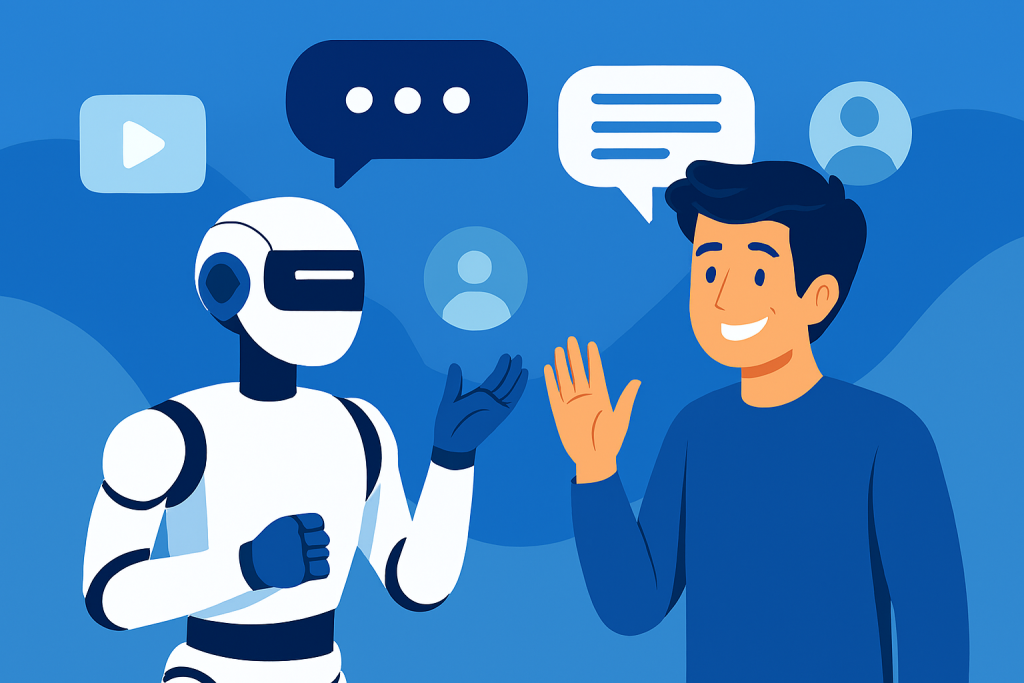
If you’ve spent any time online lately, you’ve probably noticed something strange. A lot of content looks polished, correct, and technically fine, but somehow… flat. It reads like something made by a machine. That’s exactly why Humanized AI is becoming such a big deal in content creation today.
People don’t just want information anymore. They want connection. They want personality. They want something that feels real. And surprisingly, that’s where smarter AI is heading. Not toward cold automation, but toward sounding more like us.
So what does this actually mean for writers, marketers, bloggers, and business owners? Let’s break it down.
What Is Humanized AI, Really?
At its core, Humanized AI is about making artificial intelligence sound more natural, relatable, and emotionally aware. Instead of robotic sentences and stiff phrasing, this type of AI focuses on flow, tone, storytelling, and context.
Think about how people actually talk. We pause. We change direction mid thought. We ask questions. We use contractions. We repeat ourselves sometimes. We joke. We doubt it. Traditional AI writing didn’t do much of that. It focused on correctness instead of connection.
Humanized AI flips that idea.
Instead of writing like a textbook, it writes like a person texting a friend, explaining something casually over coffee, or telling a story in a blog post. That shift makes a massive difference in how content feels to readers.
And honestly, that’s what keeps people scrolling.
Why Authentic Content Matters More Than Ever
Let’s be real. The internet is crowded. Everyone’s publishing blogs, newsletters, social posts, and landing pages. Standing out isn’t about who posts more. It’s about who connects better.
People can sense when something feels fake or forced. Even if they can’t explain it, they bounce. That’s bad for trust, engagement, and SEO.
Search engines now prioritize helpful, people first content. That means writing that answers real questions, sounds natural, and feels useful instead of stuffed with keywords. Authenticity isn’t just a branding thing anymore. It’s a ranking factor.
This is where Humanized AI shines. Instead of sounding like a Wikipedia page, it helps create content that feels conversational, approachable, and genuinely helpful.
And no, that doesn’t mean replacing humans. It means supporting them.
How Humanized AI Is Changing Content Creation
A few years ago, AI writing tools were mostly about speed. Generate something fast, edit it later, move on. But now, the focus is shifting toward quality and tone.
Here’s how things are evolving.
First, AI is getting better at understanding context. It can recognize when content should sound friendly, professional, emotional, or persuasive. That means fewer rewrites and less robotic output.
Second, storytelling is improving. Instead of dumping facts in a stiff structure, AI can now create smoother narratives. It introduces ideas naturally, builds momentum, and lands conclusions without sounding forced.
Third, personalization is becoming easier. AI can adapt tone based on audience type, industry, or platform. A blog post, email, and product description can all feel different while using the same core idea.
And honestly, that’s huge.
Because content isn’t just about what you say. It’s about how you say it.
Does This Mean Writers Are Becoming Obsolete?
Short answer? No. Not even close.
Humanized AI doesn’t replace writers. It removes friction. It speeds up brainstorming, outlines, drafts, and rewrites. But the emotional intelligence, creativity, and lived experience still come from humans.
Think of it like this. AI is the assistant who helps organize your thoughts and get words on the page faster. You’re still the one shaping the message, refining the voice, and deciding what feels right.
In fact, writers who know how to work with AI instead of against it are becoming more valuable, not less. They produce more content, faster, with better consistency, without burning out.
That’s a win.
Where Humanized AI Works Best
Not every piece of content needs to sound emotional or conversational. But many do. Especially in areas where trust and engagement matter.
Here are some places where Humanized AI is making a noticeable impact.
Blog content that feels like a real conversation instead of a lecture
Website copy that sounds friendly instead of corporate
Product descriptions that feel helpful instead of salesy
Emails that feel written by a person, not a brand bot
Social media captions that don’t scream automation
In all these cases, tone matters as much as information. Maybe even more.
And when readers feel understood, they stick around.
The SEO Side of Humanized AI
Let’s talk rankings for a second.
Search engines are getting smarter. They no longer reward keyword stuffing or generic fluff. They reward content that satisfies user intent, keeps people engaged, and answers questions clearly.
Humanized AI supports that shift by producing content that reads smoothly, flows logically, and keeps readers interested longer. That improves dwell time, reduces bounce rate, and increases trust signals.
When content feels natural, people actually read it. Shocking, right?
Using the focus keyword strategically instead of awkwardly also becomes easier. You don’t have to force it into every paragraph. You just let it fit where it belongs.
That’s how modern SEO works.
The Real Future of Content Creation
The future isn’t humans versus machines. It’s humans with machines.
Writers won’t disappear. But boring, lifeless content probably will. And that’s a good thing.
Humanized AI represents a shift toward writing that feels more personal, more emotional, and more human, even when technology is involved. It’s about efficiency without sacrificing warmth. Speed without losing soul.
And let’s be honest. If AI can help people write clearer, friendlier, more helpful content, isn’t that something worth embracing?
Content shouldn’t feel like it was assembled. It should feel like it was spoken.
That’s where things are headed.
And honestly? The internet could use a little more humanity.
