
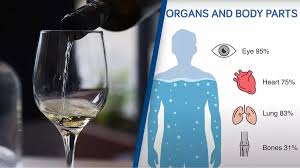
The decision to stop drinking is the beginning. What follows is a physical transformation that unfolds over days, weeks, and months. Some changes feel obvious immediately. Others happen quietly beneath the surface, repairing damage accumulated over years.
Understanding this timeline helps people know what to expect. Recovery is not instant. But the body’s capacity to heal itself is remarkable.
The First 24 Hours
Alcohol leaves the bloodstream relatively quickly. Within hours of the last drink, the body begins adjusting to its absence.
For casual drinkers, this period passes without much notice. For heavy drinkers, withdrawal symptoms can begin within six to twelve hours. Anxiety builds. Hands may tremble slightly. Sleep becomes difficult. The nervous system, accustomed to alcohol’s depressant effects, overcorrects and becomes hyperactive.
These early hours can feel uncomfortable. For people with severe alcohol dependence, they can become dangerous. Seizures and other serious complications are possible. This is why medical supervision during detox matters. Facilities like Serenity Malibu provide monitored detoxification that keeps patients safe through this vulnerable window.
Days Two Through Seven
The first week is often the hardest physically.
Withdrawal symptoms typically peak between 48 and 72 hours after the last drink. Sweating, rapid heartbeat, nausea, and irritability are common. Some people experience vivid nightmares or difficulty concentrating. Cravings can feel intense.
For those with severe dependence, this period carries risks. Delirium tremens, a serious withdrawal syndrome involving confusion, fever, and hallucinations, can develop. Medical intervention becomes critical. Nobody should attempt detox from heavy alcohol use without professional support.
By the end of the first week, acute withdrawal symptoms usually subside. Sleep remains disrupted for many people. Energy levels stay low. But the worst physical discomfort typically passes.
Meanwhile, the body has already started healing. Blood sugar levels begin stabilizing. Hydration improves as the diuretic effects of alcohol fade. The liver, if not severely damaged, starts processing accumulated toxins.
Weeks Two Through Four
The second and third weeks bring noticeable improvements.
Sleep patterns begin normalizing, though full restoration takes longer. Many people report waking up feeling genuinely rested for the first time in years. The foggy mornings disappear. Energy returns gradually.
Digestion improves significantly during this period. Alcohol irritates the stomach lining and disrupts nutrient absorption. Without that constant irritation, digestive discomfort often resolves. Appetite returns to normal. Some people notice bloating decreasing as inflammation subsides.
Skin changes become visible. Alcohol dehydrates the body and dilates blood vessels, contributing to redness, puffiness, and dull complexion. Within a few weeks, skin often appears clearer and more vibrant. The puffiness around the face reduces.
Blood pressure frequently drops during this period. Alcohol elevates blood pressure over time. Removing it allows the cardiovascular system to recalibrate. People with hypertension sometimes see meaningful improvements within weeks.
Mental clarity sharpens noticeably. The cognitive fog that accompanies regular drinking lifts. Concentration improves. Memory feels more reliable. Thinking becomes quicker and cleaner.
Months One Through Three
The first few months bring deeper healing.
The liver is remarkably resilient. Unless cirrhosis has developed, it can repair significant damage within weeks to months. Liver enzyme levels, often elevated in heavy drinkers, frequently return to normal ranges. The organ regains its ability to filter toxins effectively.
Weight changes often occur during this period. Alcohol contains substantial calories with no nutritional value. Removing those empty calories while appetite normalizes leads many people to lose weight without trying. Others find their metabolism stabilizing after years of disruption.
Immune function improves measurably. Alcohol suppresses immune response, leaving drinkers more vulnerable to infections. Several weeks into sobriety, the immune system strengthens. People often notice they catch fewer colds and recover faster when they do get sick.
Sleep quality continues improving. Deep restorative sleep, often impossible during active drinking, returns fully for most people within two to three months. This improved sleep cascades into better mood, sharper cognition, and increased energy.
Anxiety and depression frequently lift during this period. While some people use alcohol to manage mental health symptoms, alcohol actually worsens both conditions over time. Removing it often produces surprising emotional improvements as brain chemistry rebalances.
Six Months and Beyond
Long-term sobriety brings continued benefits.
Brain structure itself begins healing. Alcohol shrinks brain tissue and damages neural connections. Research shows that some of this damage reverses with extended abstinence. Gray matter volume increases. Cognitive function continues improving. This healing process extends for years.
Cardiovascular health improves significantly over time. Heart disease risk decreases. Cholesterol levels often normalize. The risk of stroke drops substantially.
Cancer risk decreases as well. Alcohol is classified as a carcinogen, linked to cancers of the mouth, throat, esophagus, liver, breast, and colon. While past damage cannot be entirely undone, stopping alcohol consumption reduces ongoing risk.
Relationships and mental health often improve dramatically over months and years. Freed from the cognitive and emotional effects of alcohol, people reconnect with themselves and others. This psychological healing builds on the physical foundation established in early recovery.
The Support That Makes It Possible
Understanding what happens physically during recovery provides motivation. But knowledge alone rarely sustains sobriety.
The physical healing described here occurs naturally when someone stops drinking. What proves difficult is stopping and staying stopped. The cravings, the triggers, the habits, and the underlying issues that drove drinking in the first place all require attention.
This is where professional treatment makes a difference. Programs provide structure during early recovery when willpower alone often fails. They address the psychological dimensions of addiction while the body heals physically. They build skills and connections that sustain sobriety long after treatment ends.
The body wants to heal. Given the chance, it will. Creating the conditions for that healing to occur is the work of recovery. It begins with a single decision and unfolds over a lifetime.
