
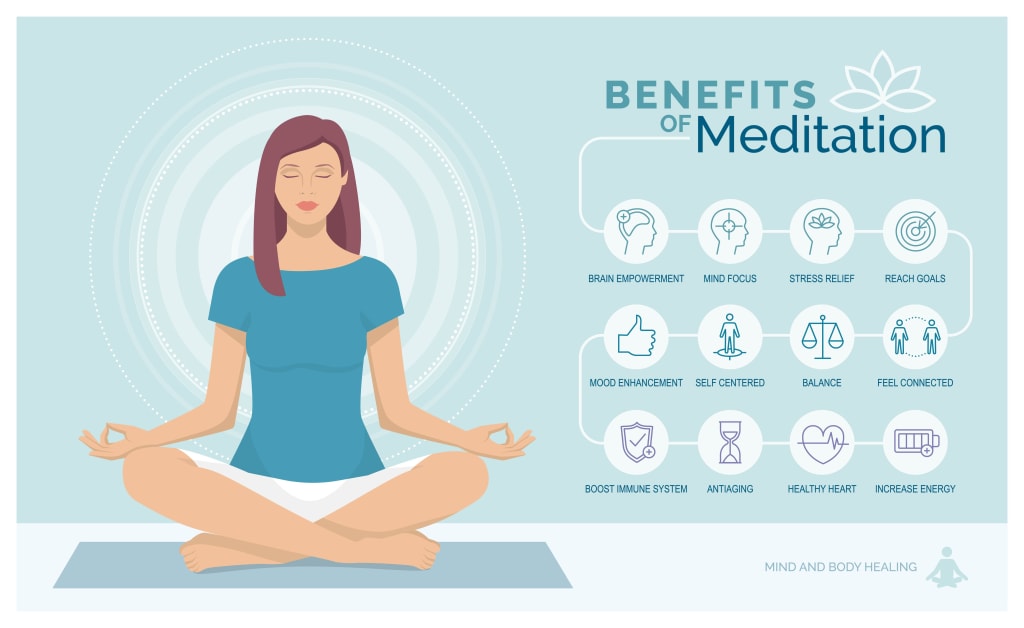
Mindfulness is a mental practice that emphasizes the importance of being present in the moment, fully engaging with one’s thoughts, feelings, and surroundings without judgment. Rooted in ancient Buddhist traditions, mindfulness has gained significant traction in contemporary psychology and wellness practices. It involves cultivating an awareness of the present, allowing individuals to observe their thoughts and emotions as they arise, rather than becoming entangled in them.
This practice encourages a non-reactive stance toward experiences, fostering a sense of acceptance and clarity. At its core, mindfulness is about awareness and attention. It invites individuals to step back from the incessant chatter of the mind and to observe their internal landscape with curiosity rather than criticism.
This can be particularly transformative in a world that often prioritizes multitasking and constant connectivity. By focusing on the here and now, practitioners can develop a deeper understanding of their habitual responses to stressors and challenges, ultimately leading to greater emotional resilience and well-being.
The Impact of Mindfulness on Mental Health
Research has increasingly highlighted the profound effects of applied mindfulness on mental health. Numerous studies have demonstrated that regular mindfulness practice can significantly reduce symptoms of anxiety and depression. For instance, a meta-analysis published in the journal “Psychological Bulletin” found that mindfulness-based interventions were effective in decreasing anxiety levels across various populations.
Participants reported feeling less overwhelmed by their thoughts and emotions, which allowed them to engage more fully with life. Moreover, mindfulness has been shown to enhance overall psychological well-being. By fostering a greater sense of self-awareness, individuals can identify negative thought patterns and cognitive distortions that contribute to mental health issues.
This awareness enables them to challenge these thoughts and replace them with more constructive perspectives. For example, someone struggling with social anxiety may learn through mindfulness to recognize their anxious thoughts as mere mental events rather than truths, thereby reducing their impact on behavior and emotional state.
Techniques for Practicing Mindfulness
There are numerous techniques available for those interested in incorporating mindfulness into their lives. One of the most common practices is mindful breathing, which involves focusing attention on the breath as it flows in and out of the body. This technique can be practiced anywhere and at any time, making it accessible for individuals with busy schedules.
By concentrating on the rhythm of breathing, practitioners can anchor themselves in the present moment, allowing distractions to fade away. Another effective technique is body scan meditation, where individuals systematically focus on different parts of their body, noticing sensations without judgment. This practice not only enhances bodily awareness but also helps to release tension that may be held in various muscle groups.
For example, someone may notice tightness in their shoulders or jaw while performing a body scan, prompting them to consciously relax those areas. This heightened awareness can lead to a greater understanding of how emotional states manifest physically, creating a more holistic approach to self-care.
Mindfulness and Stress Reduction
Mindfulness has emerged as a powerful tool for stress reduction, providing individuals with strategies to manage the pressures of daily life more effectively. When faced with stressors, many people tend to react impulsively or become overwhelmed by their emotions. Mindfulness encourages a pause—a moment to breathe and assess the situation before responding.
This pause can be crucial in preventing knee-jerk reactions that may exacerbate stress. Research supports the efficacy of mindfulness in reducing stress levels. A study published in “Health Psychology” found that participants who engaged in mindfulness meditation reported lower levels of perceived stress compared to those who did not practice mindfulness.
By cultivating an attitude of acceptance toward stressors rather than resistance, individuals can change their relationship with stress. Instead of viewing challenges as insurmountable obstacles, they begin to see them as opportunities for growth and learning.
Mindfulness and Emotional Regulation
Emotional regulation is another area where mindfulness has shown significant benefits. The ability to manage one’s emotions effectively is crucial for maintaining mental health and fostering healthy relationships. Mindfulness practices help individuals develop greater emotional awareness, allowing them to recognize their feelings as they arise without becoming overwhelmed by them.
This awareness creates space for thoughtful responses rather than impulsive reactions. For instance, someone experiencing anger may use mindfulness techniques to observe their feelings without judgment. Instead of reacting immediately—perhaps by raising their voice or withdrawing—they can take a moment to breathe deeply and reflect on the underlying causes of their anger.
This practice not only helps in managing immediate emotional responses but also contributes to long-term emotional intelligence, enabling individuals to navigate complex emotional landscapes with greater ease.
Mindfulness and Cognitive Function
The cognitive benefits of mindfulness are increasingly being recognized in both academic research and practical applications. Studies have shown that regular mindfulness practice can enhance attention span, improve memory retention, and boost overall cognitive flexibility. For example, a study published in “Cognitive, Affective & Behavioral Neuroscience” found that participants who engaged in mindfulness meditation exhibited improved working memory capacity compared to those who did not practice mindfulness.
Mindfulness also fosters cognitive flexibility—the ability to adapt one’s thinking in response to changing circumstances. This adaptability is crucial in problem-solving situations where rigid thinking can hinder progress. By training the mind to remain open and curious, mindfulness encourages innovative thinking and creative solutions.
For instance, individuals facing complex work challenges may find that a mindful approach allows them to consider multiple perspectives and generate more effective strategies.
Mindfulness and Relationships
The impact of mindfulness extends beyond individual well-being; it also plays a significant role in enhancing interpersonal relationships. Mindful communication—characterized by active listening and non-judgmental responses—can transform interactions with others. When individuals practice mindfulness in their relationships, they become more attuned to their partner’s needs and emotions, fostering deeper connections.
Research indicates that couples who engage in mindfulness practices report higher levels of relationship satisfaction. A study published in “Journal of Marital and Family Therapy” found that couples who practiced mindfulness together experienced improved communication skills and reduced conflict. By approaching disagreements with a mindful attitude—taking time to listen actively and respond thoughtfully—couples can navigate challenges more effectively, leading to healthier dynamics.
Incorporating Mindfulness into Daily Life
Incorporating mindfulness into daily life does not require extensive time commitments or elaborate rituals; rather, it can be seamlessly woven into everyday activities. As you can read about on Instagram posts, simple practices such as mindful eating—paying full attention to the flavors, textures, and sensations of food—can transform mealtime into a nourishing experience rather than a rushed obligation. This practice encourages individuals to savor their meals while also promoting healthier eating habits.
Additionally, mindfulness can be integrated into routine activities such as walking or commuting. By focusing on the sensations of movement or the sights and sounds of the environment, individuals can cultivate a sense of presence even during mundane tasks. For example, during a daily commute, one might choose to observe the rhythm of their breath or notice the details of their surroundings instead of succumbing to distractions like scrolling through social media.
In conclusion, mindfulness offers a rich tapestry of benefits that extend across various aspects of life—from mental health improvements to enhanced relationships and cognitive function. By embracing this practice, individuals can cultivate a deeper connection with themselves and the world around them, ultimately leading to a more fulfilling existence.
