
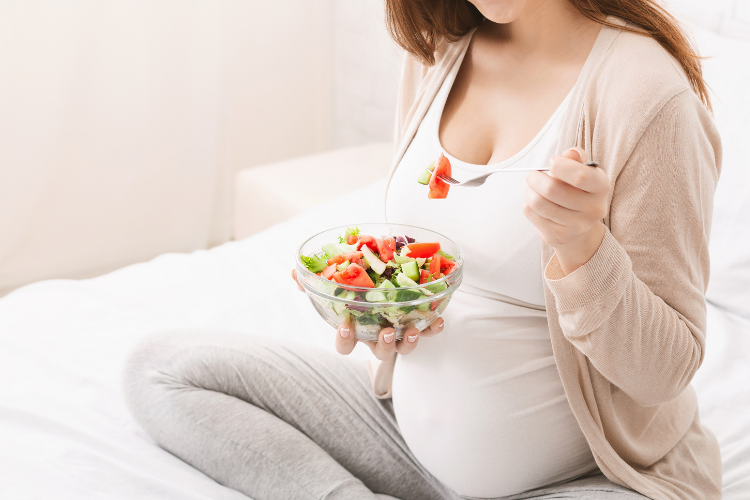
Pregnancy is a time of profound physical change, and with it can come unexpected shifts in how your body responds to food. Some women experience heightened sensitivity to certain ingredients, while others develop new intolerances or allergic reactions. These food-related issues can range from mild discomfort to more serious symptoms, making it essential to understand how to manage them safely and effectively. With thoughtful adjustments and proactive care, you can minimize discomfort and support both your health and your baby’s development. Here are six practical tips for navigating food reactions during pregnancy.
Keep a Detailed Food Journal
One of the most effective tools for identifying and managing food reactions is a food journal. By tracking what you eat and how you feel afterward, you can begin to notice patterns and pinpoint potential triggers. Include details such as meal times, ingredients, portion sizes, and any symptoms that follow whether it’s bloating, nausea, headaches, or skin changes.
This record can be invaluable when speaking with your healthcare provider or a registered dietitian. It helps rule out common culprits and guides decisions about dietary adjustments. Over time, your journal becomes a personalized roadmap to safer, more comfortable eating during pregnancy.
Focus on Whole, Simple Foods
When dealing with food sensitivities, simplicity is key. Whole foods with minimal processing are less likely to contain hidden additives or allergens that can provoke reactions. Fresh fruits, vegetables, lean proteins, and whole grains offer essential nutrients without the complexity of packaged or restaurant meals.
Cooking at home allows you to control ingredients and preparation methods, reducing the risk of cross-contamination or unexpected additives. If you suspect a reaction to a specific food group, such as dairy or gluten, try eliminating it temporarily and reintroducing it gradually under medical supervision.
Understand Hormonal Influence
Pregnancy hormones can significantly affect digestion and immune response, sometimes making your body more reactive to certain foods. For example, increased levels of estrogen can influence histamine production, which plays a role in allergic reactions and inflammation. Understanding the relationship between histamine and pregnancy can help you manage symptoms like itching, swelling, or gastrointestinal discomfort.
If you suspect histamine intolerance, consider limiting high-histamine foods such as aged cheeses, cured meats, fermented products, and certain fruits. Speak with your healthcare provider before making major dietary changes, especially during pregnancy, to ensure nutritional needs are still being met.
Stay Hydrated and Support Digestion
Proper hydration is essential for digestive health and can help reduce the severity of food reactions. Water supports the breakdown and absorption of nutrients, helps flush out irritants, and maintains healthy bowel function. Aim for consistent fluid intake throughout the day, and consider adding herbal teas like ginger or peppermint to soothe the digestive tract.
In addition to hydration, supporting digestion through mindful eating habits can make a big difference. Eat slowly, chew thoroughly, and avoid lying down immediately after meals. These practices reduce the likelihood of reflux, bloating, and other discomforts that may be mistaken for food reactions.
Consult a Specialist When Needed
If food reactions become frequent or severe, it’s important to seek professional guidance. A registered dietitian or allergist can help identify specific sensitivities and develop a safe, balanced eating plan. They may recommend testing for allergies, intolerances, or nutrient deficiencies that could be contributing to your symptoms.
Pregnancy adds complexity to dietary management, so working with a specialist ensures that both maternal and fetal health are prioritized. They can also help you navigate label reading, meal planning, and supplement choices to reduce risk and improve comfort.
Prioritize Nutrient-Dense Alternatives
When eliminating problematic foods, it’s crucial to replace them with nutrient-dense alternatives to maintain a healthy pregnancy. For example, if dairy triggers a reaction, consider fortified plant-based milks or calcium-rich vegetables like broccoli and kale. If gluten is an issue, explore whole grain options such as quinoa, brown rice, or certified gluten-free oats.
Balancing your diet with a variety of vitamins, minerals, and macronutrients supports fetal development and helps you feel your best. Focus on foods that nourish without triggering symptoms, and don’t hesitate to ask your provider about safe supplementation if needed.
Conclusion
Managing food reactions during pregnancy requires a blend of awareness, flexibility, and support. By keeping track of your symptoms, choosing simple and nourishing foods, understanding hormonal influences, and seeking expert advice when necessary, you can reduce discomfort and protect your well-being. Every pregnancy is unique, and listening to your body is key to making informed, confident choices. With the right strategies in place, you can enjoy a more comfortable and empowered journey toward motherhood.
